
Cultivated agricultural field

Agro Excellence

OUR AGRICULTURAL APPROACH

Better farming,
built from the field up.

Agro Excellence brings together soil care, responsible inputs, modern operations, crop quality, harvest handling and disciplined farm management. The aim is simple: produce strong crops while using land, water, labour and farm resources more thoughtfully.

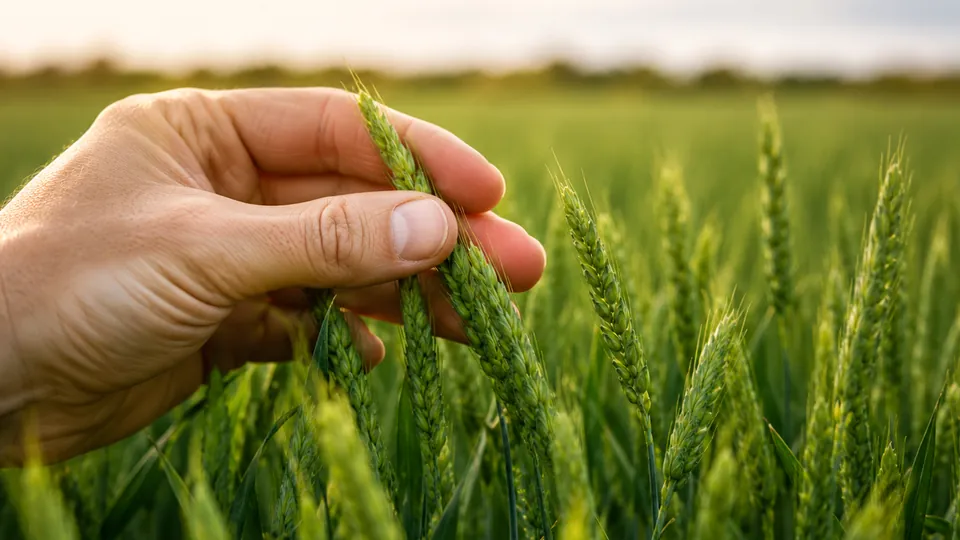
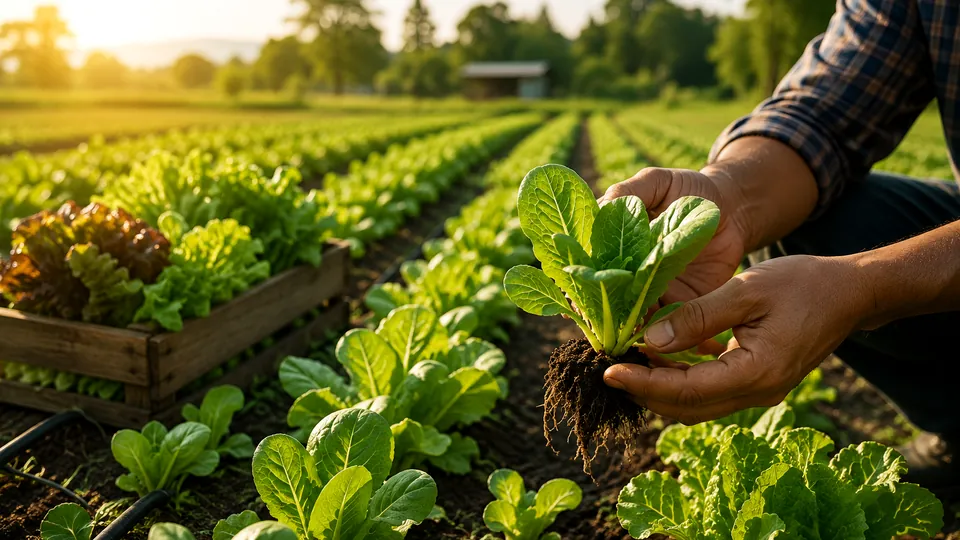
Farmer inspecting crops in the field
7 connected areas • one farming system
01 • Soil & Inputs

Build crop performance from healthy foundations.

Soil fertility, organic matter and appropriate inputs support stronger plant growth and better resource use.

02 • Operations

Do the right farm job at the right time.

Planning, suitable tools and timely field operations improve consistency while reducing avoidable labour and input waste.

03 • Quality

Protect quality before and after harvest.

Crop monitoring, careful handling, sorting and storage practices all influence the value and condition of produce.

04 • Sustainability

Think beyond a single growing season.

Responsible soil, water and crop management helps protect productive land and supports long-term farming resilience.

Organic farm cultivation
01Agro Excellence

Organic Farm Solutions

Organic-oriented farming begins with the whole production system, not a single input. A practical approach combines soil organic matter, crop rotation, biological processes, careful nutrient planning and crop protection methods that reduce unnecessary dependence on synthetic interventions.

  • Build soil organic matter through compost, residues and suitable organic materials.
  • Use crop rotation, cover crops and diversity to support soil and crop resilience.
  • Plan nutrients around crop demand and the actual condition of the soil.
  • Use integrated pest management principles before relying on routine pesticide use.
Why it matters: FAO guidance treats nutrient, water, crop and soil management as connected. Organic and biological inputs create the most value when they are part of a disciplined fertility and crop-management plan.
Eco-friendly farming field
02Agro Excellence

Eco-Friendly Farming

Eco-friendly farming aims to produce reliably while protecting the natural resources production depends on. That means paying attention to soil structure, water use, biodiversity, nutrient losses and pest-management decisions across the entire crop cycle.

  • Improve water-use efficiency through planned irrigation and moisture-aware management.
  • Protect soil with cover, reduced unnecessary disturbance and erosion-control practices.
  • Encourage beneficial organisms and integrated approaches to crop protection.
  • Match crops and management practices to local soil, climate and field conditions.
Long-term view: Sustainable intensification is about producing more effectively without degrading the resource base that future harvests depend on.
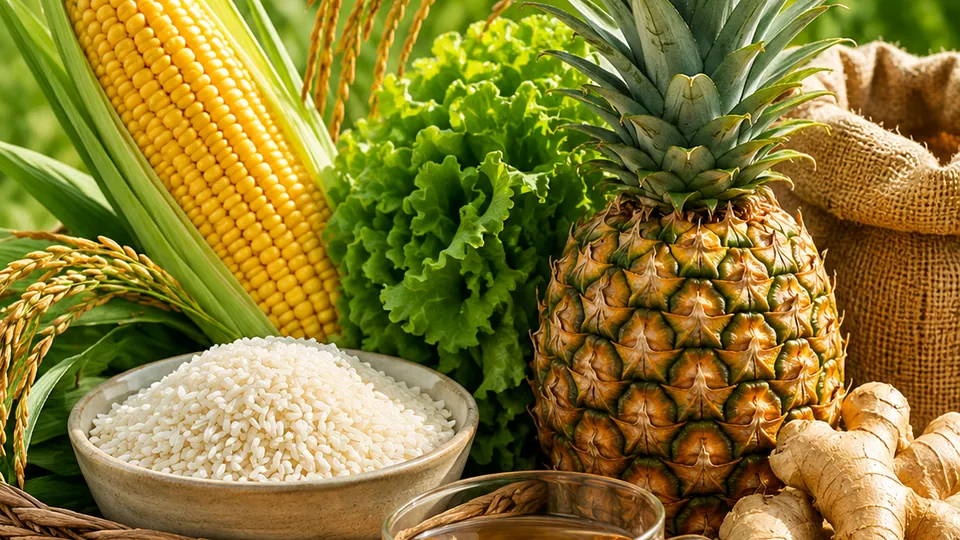
Fresh agricultural produce
03Agro Excellence

Quality Produce & Products

Produce quality is created throughout the season. Strong crop establishment, balanced nutrition, timely crop care and correct harvest timing all influence appearance, condition, shelf life and market value. Quality management therefore starts well before produce reaches a packing area.

  • Monitor crop condition throughout growth instead of waiting until harvest to judge quality.
  • Use careful harvest timing and handling to reduce bruising, contamination and unnecessary damage.
  • Sort and grade consistently so produce is presented according to condition and intended market.
  • Maintain clean handling, suitable packaging and storage conditions appropriate to the crop.
Quality principle: Healthy soil and balanced crop nutrition can support healthy plants, while post-harvest handling helps preserve the quality already created in the field.
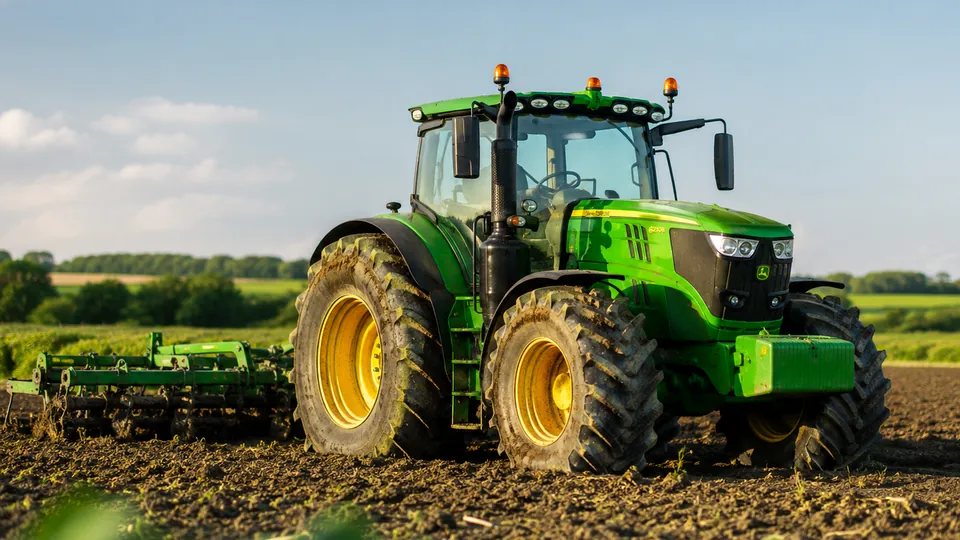
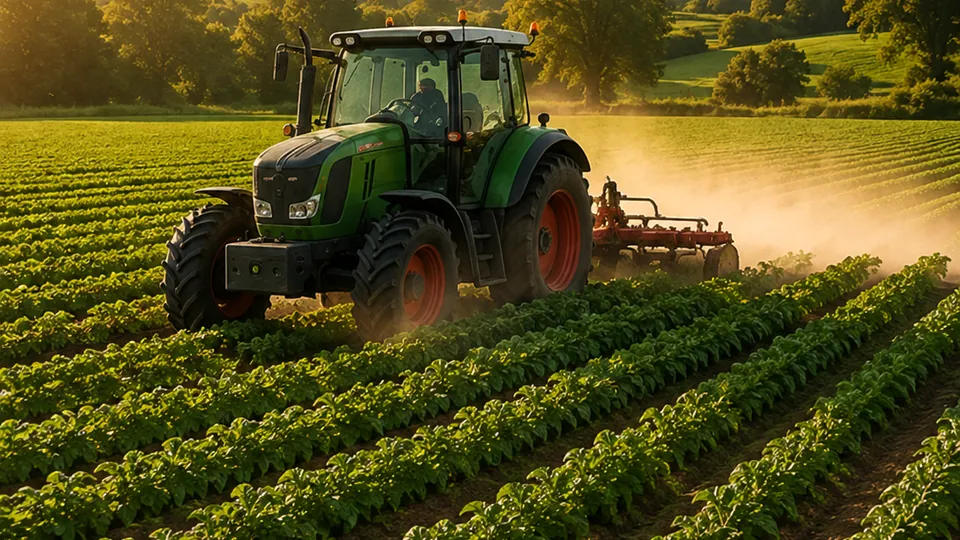
Modern agricultural machinery in farm operations
04Agro Excellence

Modern Farming Operations

Modern operations are not defined by owning the biggest machine. They are about using suitable tools, mechanization, field information and disciplined timing to complete farm activities more accurately, safely and efficiently.

  • Use appropriate mechanization for land preparation, planting, crop care and harvesting.
  • Improve timeliness so important operations happen when crop and field conditions are suitable.
  • Combine machinery with field observations, records and digital tools where they add clear value.
  • Reduce unnecessary passes, labour pressure and inefficient use of fuel, water or inputs.
FAO perspective: Sustainable mechanization can reduce hard labour, improve productivity and timeliness, increase resource-use efficiency and support activities from planting through storage and marketing.
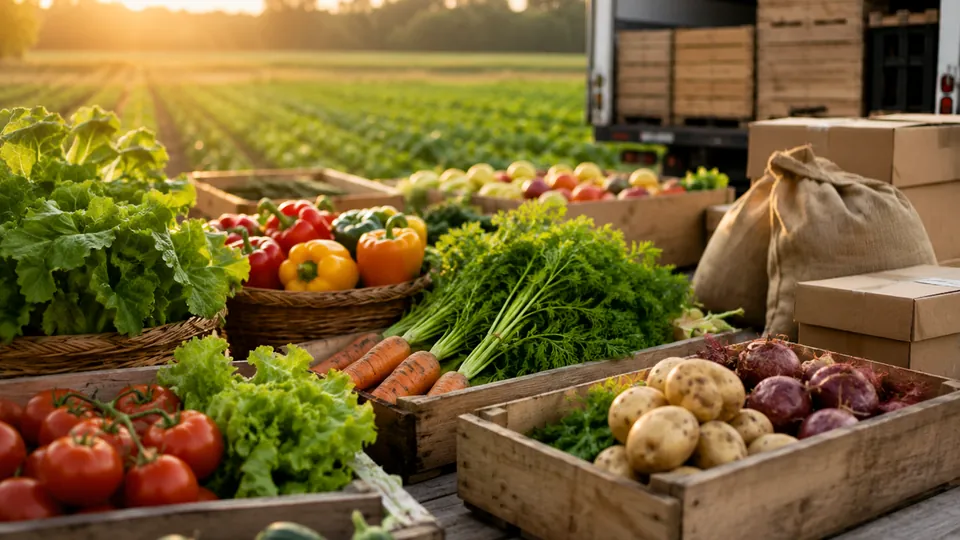
Harvest handling and agricultural distribution
05Agro Excellence

Harvest & Distribution

The value of a crop can be lost quickly after harvest if handling, transport or storage is poorly managed. A strong post-harvest workflow protects produce from physical damage, heat, moisture problems, pests and avoidable delays on the route from field to market.

  • Harvest at an appropriate maturity and handle produce carefully from the first touch.
  • Use clean sorting, packing and storage practices suited to the crop.
  • Reduce unnecessary waiting time between harvest, packing, transport and delivery.
  • Maintain traceable quantities and destination records for a more controlled distribution flow.
Post-harvest focus: FAO describes the post-harvest system as the chain from harvest through handling, storage, processing, transport and marketing, with loss prevention and efficiency as central goals.
Farm process management and crop inspection
06Agro Excellence

Farm Process Management

A productive farm needs repeatable processes. Planning what must happen, assigning responsibility, recording key activities and reviewing results helps turn daily field work into a system that can be monitored and improved season after season.

  • Create clear crop calendars for land preparation, planting, nutrition, irrigation and harvest.
  • Record important inputs, field observations, labour activities and production outcomes.
  • Inspect fields regularly so problems can be identified and acted on earlier.
  • Compare cost, yield and quality information to improve the next production plan.
Management principle: Good decisions become easier when field observations and farm records are connected. The objective is practical control—not paperwork for its own sake.
Organic farming inputs and soil amendment materials
07Agro Excellence

Organic Input Solutions

Organic inputs can support soil fertility, nutrient cycling and biological activity, but effective use depends on quality, maturity, nutrient content, application rate and crop need. Compost, manures, crop residues, green manures and other biological sources should be managed as part of the wider soil-fertility plan.

  • Select inputs based on crop needs, soil condition and the purpose of the amendment.
  • Use well-managed compost and organic materials to return nutrients and carbon to the soil.
  • Combine nutrient sources thoughtfully rather than assuming one material can supply every crop requirement.
  • Monitor soil pH, nutrient balance and crop response to refine application over time.
Balanced approach: FAO soil guidance emphasizes nutrient recycling and integrated fertility management while warning that poor nutrient management can reduce productivity and create environmental losses.

This page does not provide crop-specific fertilizer, pesticide or treatment prescriptions. Recommendations should be confirmed against local field conditions and qualified agronomic guidance.

ECO AGRO CULTIVATION

From responsible cultivation to a stronger harvest.

Explore our crop portfolio or contact the Eco Agro team to learn more about the company’s agricultural direction and cultivation activities.

Contact Our Team