
Modern farm technology is most valuable when it helps a farmer make a better decision at the right time. Today, precision agriculture can combine machinery, field observations, sensors, satellite or drone imagery, mobile tools and farm records to understand variation across a field and use inputs more carefully. The goal is not technology for its own sake; it is more reliable production, better use of labour and resources, and stronger long-term farm performance.
What modern farm technology really means
Precision agriculture is a data-driven approach to farm management. Instead of treating every part of a field as if it were identical, farmers can observe differences in soil, moisture, crop condition and microclimate, then adjust management where it is useful. FAO research on agricultural automation notes that digital and automated tools can improve efficiency, productivity, product quality and sustainability, while also warning that cost, skills, connectivity and local suitability matter.
Observe
Collect useful information from the field through scouting, sensors, maps, remote sensing or machinery data.
Decide
Compare field conditions, crop needs, weather and records before choosing the next action.
Act
Use equipment and inputs where they are needed, when they are needed, rather than by habit alone.
Review
Keep records and learn from yield, cost and crop-performance results over time.
1. See the field more clearly
Crop scouting remains important, but digital tools can extend what a farmer can see. Remote sensing from satellites and unmanned aerial vehicles can help identify differences in vegetation, water stress or crop development across larger areas. Soil-moisture sensors and weather information can provide another layer of evidence for irrigation and crop-care decisions. FAO’s smart-farming work emphasizes the value of combining affordable technologies with efficient resource management.
The strongest benefit is often earlier awareness. A field issue noticed sooner can be investigated sooner. Technology does not automatically diagnose every problem, but it can direct attention to the places that deserve closer inspection.
Measure first, then manage.
A useful digital tool should reduce uncertainty or improve the timing, precision or consistency of a farm decision.
2. Apply water, nutrients and crop inputs with more precision
Water and inputs are major parts of production cost and crop performance. Precision approaches can support irrigation scheduling, targeted fertilizer application and more focused crop-protection work. The objective is not simply to use less of everything; it is to use the right amount in the right place and at the right time, based on crop needs and field conditions.
Remote-sensing systems can also support agricultural water management by comparing crop water use and productivity over space. On the ground, even a simpler combination of soil checks, moisture observations, weather records and planned irrigation can make management more disciplined.
3. Improve the consistency of field operations
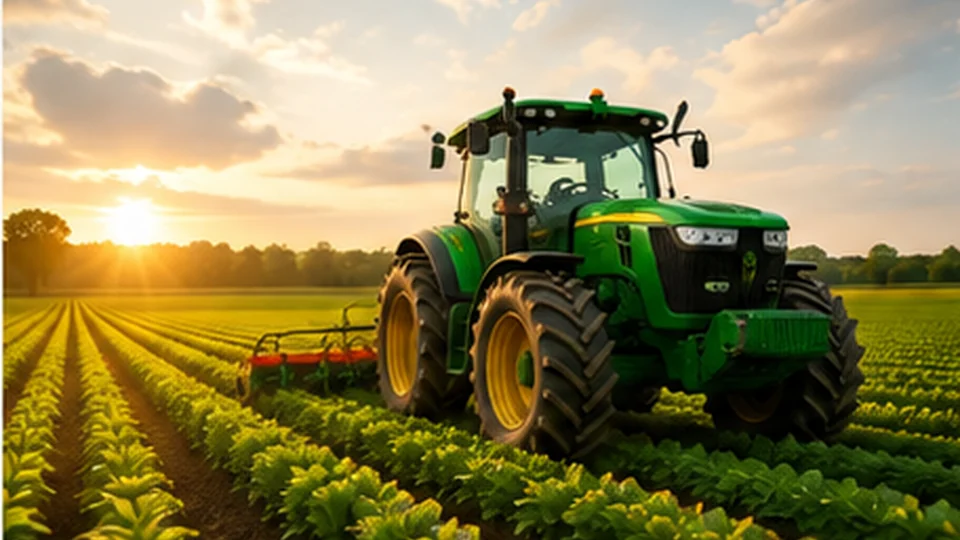
Mechanization reduces physical drudgery and can make time-sensitive jobs faster. Modern machinery can also include guidance, mapping or application controls that improve repeatability. More consistent planting, cultivation and harvesting operations can reduce overlaps, missed areas and unnecessary passes through the field.
Automation should still be matched to the scale and economics of the farm. FAO’s studies of low- and middle-income countries show that high investment costs and limited digital skills can slow adoption, especially for small producers. In many cases, shared machinery, service providers, mobile applications or phased upgrades may be more practical than purchasing the most advanced equipment immediately.
4. Turn farm data into better decisions
Technology becomes much more useful when observations are connected to records. Planting dates, input use, irrigation, crop-health observations, labour, harvest quantities and quality outcomes can reveal patterns that are difficult to remember accurately from season to season.
Record the basics
Track the production activities that materially affect crop performance, cost and quality.
Compare over time
Look for repeated problems, stronger-performing areas and differences between seasons or management methods.
Use evidence for the next plan
Adjust crop planning, irrigation, labour or input decisions based on what the records actually show.
5. Adopt technology practically, not blindly
A technology should solve a real farm problem. Before investing, it helps to ask: What decision will this improve? How often will it be used? Who will operate it? Can it be maintained locally? Does it work with available connectivity and power? Will the value gained justify the cost?
FAO highlights digital literacy, connectivity, infrastructure and locally adapted solutions as important conditions for successful adoption. This is especially relevant for developing-country agriculture, where a simple, reliable tool may create more value than a sophisticated system that is difficult to maintain.
The practical takeaway
Modern agriculture is moving toward a combination of field knowledge and better information. Precision tools can support productivity by improving observation, timing, input efficiency, machinery use and record-based planning. But the farmer’s knowledge of crops, soils, weather and local conditions remains essential.
Technology and sustainability should work together.
Eco Agro Cultivation’s stated direction includes modern farming techniques and environmentally friendly cultivation. A sensible technology pathway is therefore one that improves production while also supporting responsible use of soil, water, inputs and labour.
Research references
This article summarizes authoritative agricultural guidance in plain language. The source links below are provided for deeper reading.
Field conditions differ by location, crop, soil, weather and production system. Use local agronomic advice and appropriate testing before making crop-specific input or treatment decisions.